Battery Voltage Explained: 12V, 18V and 20V Compared
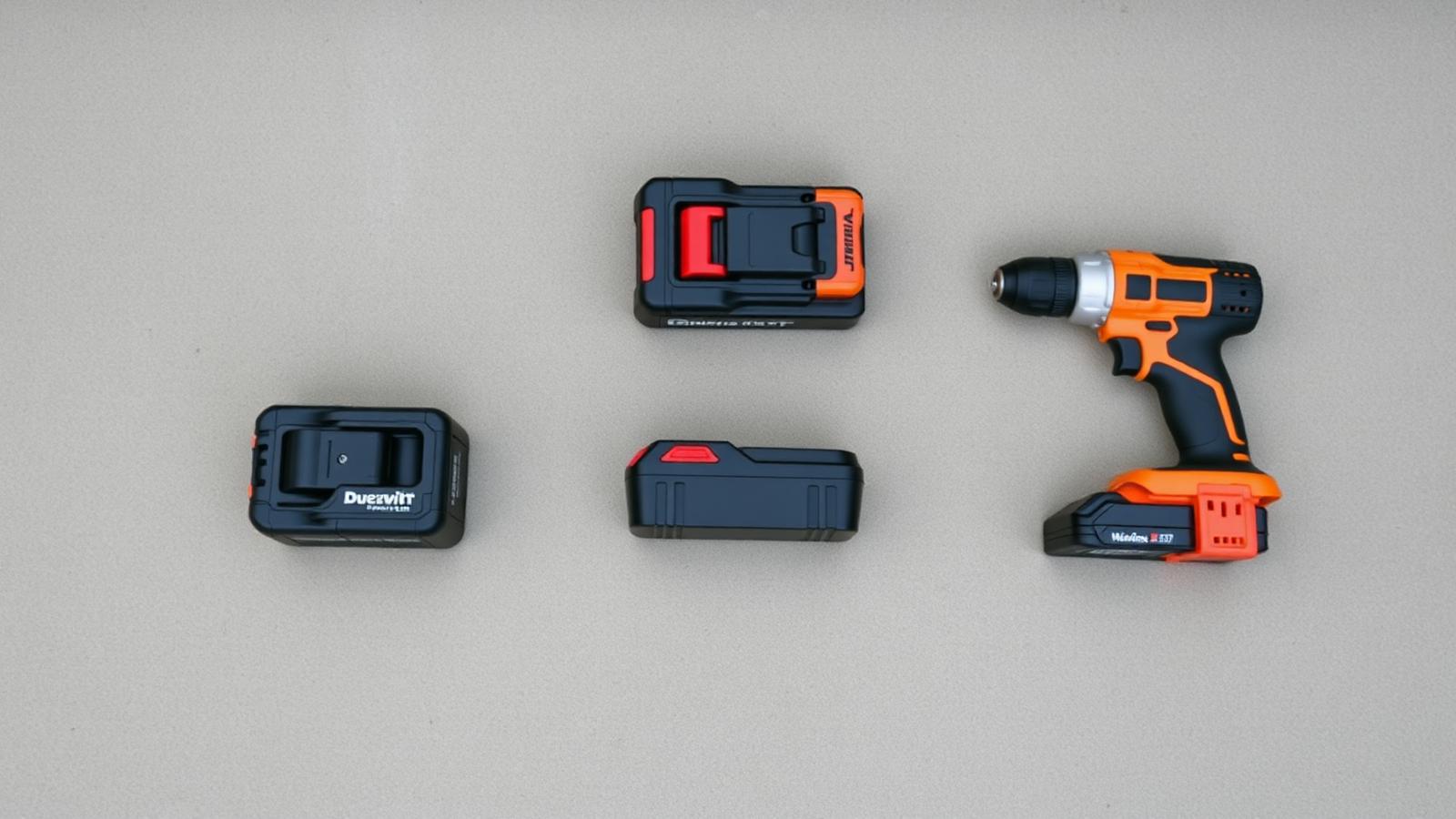
Battery voltage is one of the first specifications you see when you shop for a cordless tool. Some manufacturers label their tools 18V, others 20V max, and a compact class sits at 12V. The numbers are not chosen at random, and they are not entirely a marketing trick either. Understanding what each represents will make it easier to compare tools honestly and to pick the platform that suits your workshop.
Nominal voltage and max voltage
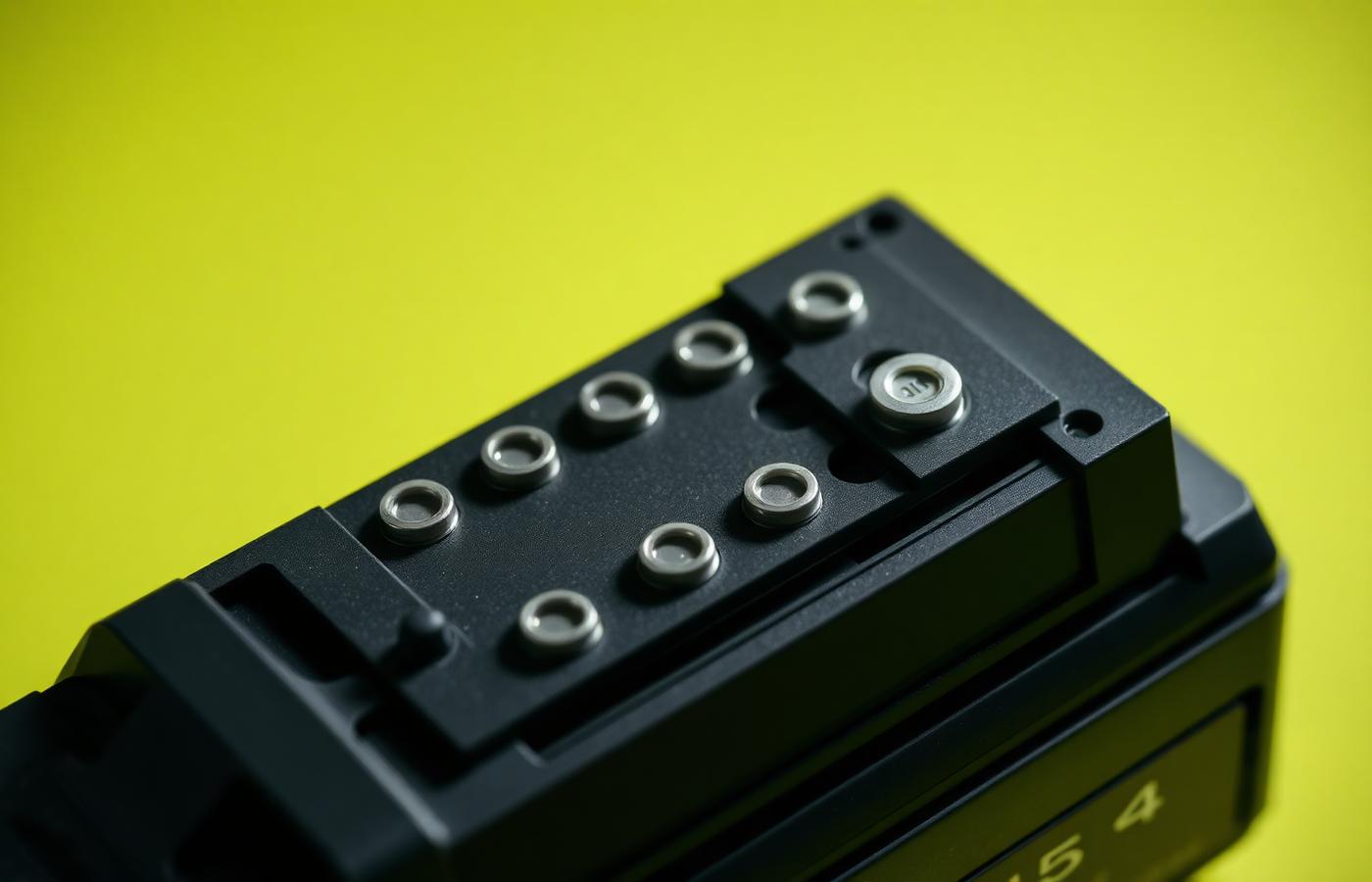
Modern power-tool batteries are made of lithium-ion cells. Each cell has a nominal (working) voltage of 3.6V and a peak (fully charged, no load) voltage of 4.0V. A pack of five cells wired in series produces a nominal 18V and a peak of roughly 20V.
That is the entire mystery behind 18V and 20V labelling. Manufacturers using 18V are quoting the nominal working voltage. Manufacturers using 20V max are quoting the fresh, off-the-charger voltage of the very same five-cell pack. In practice, an 18V battery and a 20V max battery from the same brand are the same battery.
A 12V tool follows the same logic with three cells: nominal 10.8V (sometimes labelled that way) and a peak of 12V max. Some older marketing preferred 10.8V; newer marketing tends to prefer 12V max.
What voltage means at the bit
Higher voltage generally means more power available for the motor. All else being equal, an 18V drill will do harder work than a 12V drill from the same brand, using the same underlying platform. But voltage is only one part of the picture.
The current the battery can deliver (amperage), the efficiency of the motor and the quality of the electronics all matter. A well-designed 12V brushless drill can outperform a poorly designed 18V brushed drill on light tasks, even though the raw voltage figure is lower.
12V: light, compact, capable
12V platforms are ideal for people who prioritise size and weight. They are the natural choice for cabinet fitters, electricians and anyone doing detailed work overhead or in confined spaces. A 12V drill is comfortable to hold in one hand and will tackle almost anything short of large hole saws and long structural screws into hardwood.
For a household with straightforward tasks — shelves, furniture, small repairs — a 12V kit is often the more sensible purchase. It is lighter, cheaper and less tiring than the 18V equivalent.
18V (or 20V max): the general-purpose standard
The 18V class is where the great majority of cordless tools now live. Impact drivers, circular saws, jigsaws, angle grinders, oscillating multi-tools and reciprocating saws are all commonly built around 18V batteries. That is the practical reason most people end up on an 18V platform: the range of tools you can add to it is far broader.
18V drills produce more torque, tolerate longer periods of hard use, and pair well with larger batteries when you need extended runtime. The trade-off is weight and, sometimes, a slightly bulkier tool.
36V, 40V and beyond
For garden equipment and larger tools such as chainsaws and mowers, higher voltages become common. Some brands achieve this by stacking two 18V batteries; others use dedicated 36V or 54V packs. These tools sit outside the scope of a general-purpose home drill purchase, but it is worth knowing that many 36V lines share cells and chargers with their 18V equivalents.
Amp-hours: the runtime figure
Alongside voltage, batteries are rated in ampere-hours (Ah). This measures how much charge the battery holds. A 4.0 Ah battery of the same voltage will run for roughly twice as long as a 2.0 Ah battery, all else being equal.
Larger Ah batteries are heavier and more expensive. For a drill, 2.0 Ah is enough for short household sessions. 4.0 Ah is a comfortable everyday choice. 5.0 Ah and above are useful for heavier tools such as circular saws or when you want to work without interruption for a long time.
Which platform should you choose?
If most of your work is light and you value a small tool, look at 12V. If you want a single platform that can grow into a small fleet of cordless tools, choose 18V. If you know you need serious cutting or garden equipment, look at brands offering compatible 36V+ options within a wider ecosystem.
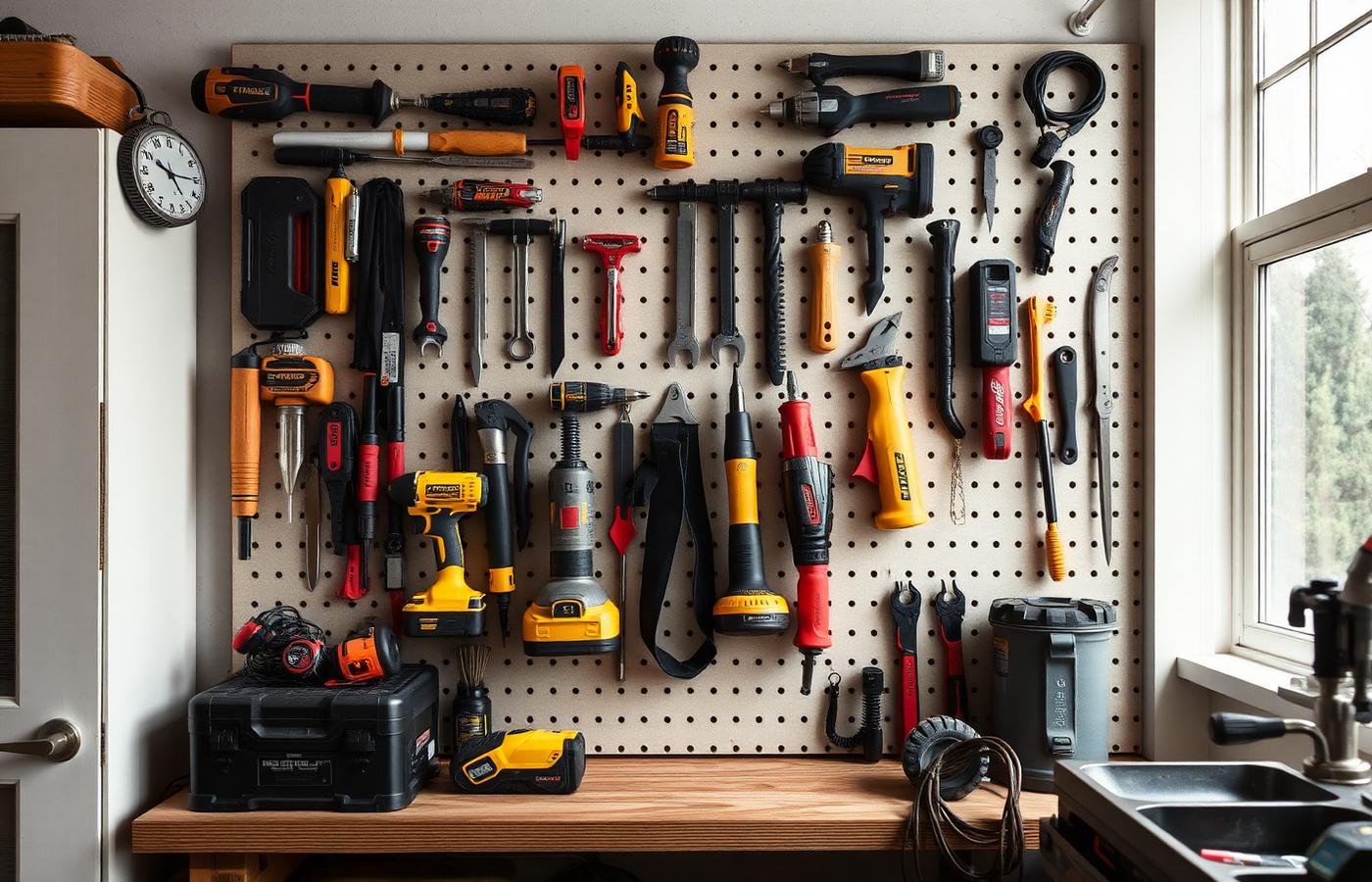
Above all, remember that platform lock-in is real. Once you buy two or three batteries and a charger, switching brands becomes expensive. Choose the platform, not just the drill.
This article is for informational purposes only. It does not constitute professional advice. Always follow the instructions supplied with your tools and consult a qualified professional where appropriate.