Understanding Drill Torque: What Nm Actually Means for Your Projects
Every drill you look at will proudly quote a torque figure, usually in newton-metres. On a shop shelf, one drill might promise 40 Nm, another 65 Nm and a third 105 Nm. The natural assumption is that more is better and, up to a point, that is true. But the number alone hides more than it reveals. Understanding what torque actually is, and where it does and does not matter, will save you money and help you use the drill you already own more effectively.
What torque actually is
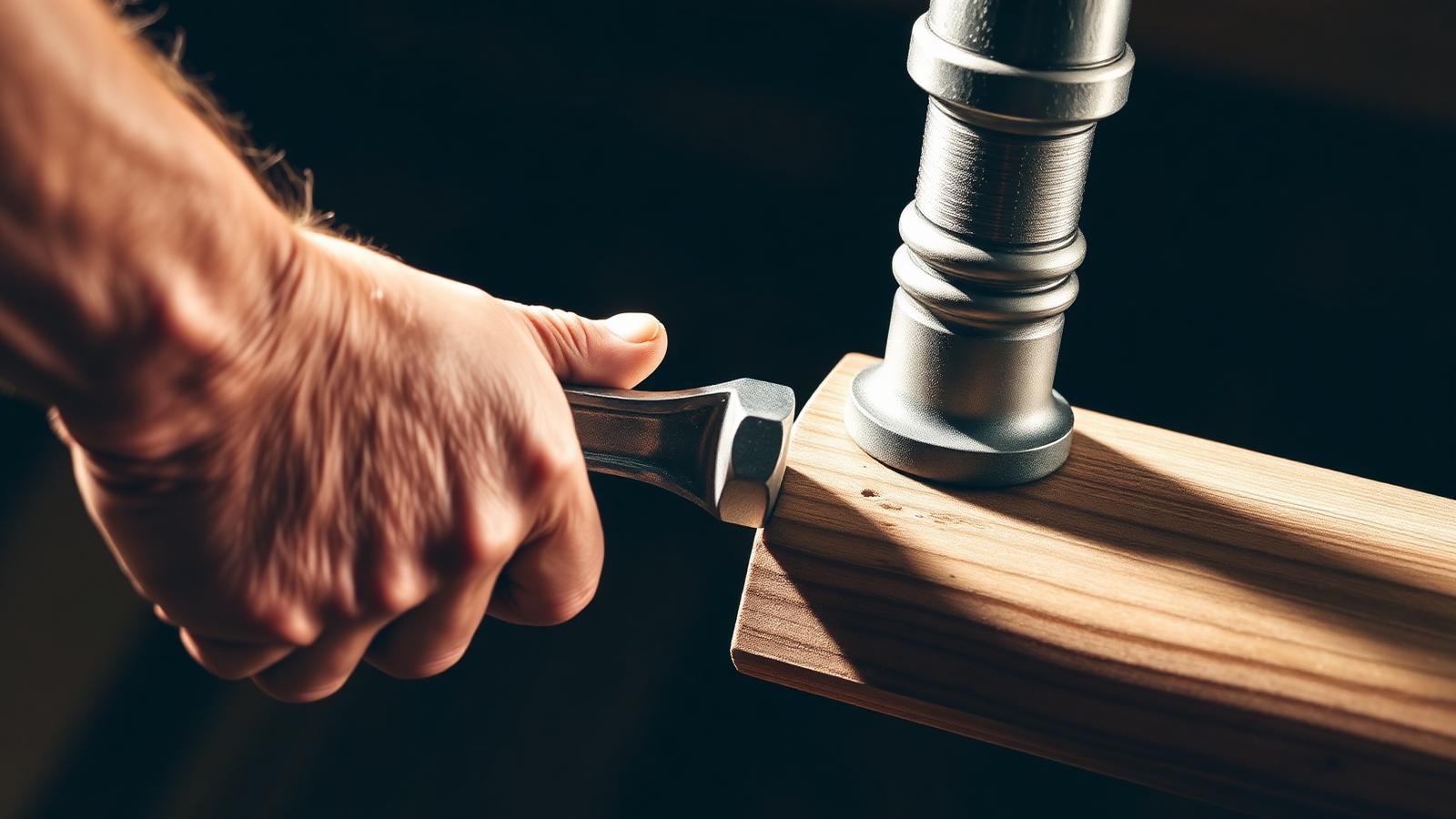
Torque is a measure of rotational force — the twisting effort applied around an axis. If you imagine pushing on a spanner, the further away from the bolt you push and the harder you push, the greater the torque you apply. A newton-metre is the standard scientific unit: one newton of force applied at a distance of one metre from the pivot.
For a power tool, torque tells you how much twisting force the motor can deliver at the chuck. Higher torque means the tool can turn a bit or a screw against greater resistance without stalling. It is what pushes a wood auger through a joist or drives a long structural screw into hardwood.
Peak torque versus useful torque
The figure on the box is almost always peak torque: the maximum the motor can produce for a brief moment before the clutch slips or the tool stalls. This is not the same as the torque available continuously during use. A drill that reaches 65 Nm at its peak may only sustain 30–40 Nm without overheating.
For household work this distinction usually does not matter, because you rarely need sustained peak torque. But it is worth remembering when comparing tools from different brands; peak figures are not always measured the same way and are not directly comparable.
How much torque do you actually need?
Here is where the numbers become useful, translated into real jobs:
- Under 20 Nm: driving small woodscrews, assembling flat-pack furniture, fitting hinges and handles.
- 20–40 Nm: hanging shelves and curtain rails, drilling small to medium holes in softwood, mounting a television bracket.
- 40–60 Nm: driving longer screws into hardwood, boring holes up to 25 mm, most structural DIY around the home.
- 60 Nm and above: heavy joinery, large hole saws, decking and building work, professional site tasks.
The vast majority of homes never need a drill capable of more than 60 Nm. If yours does, an impact driver or dedicated hammer drill will usually be a better tool for the job than a bigger drill/driver.
The role of the gearbox
Torque and speed are inversely linked in the drill's mechanical gearbox. In the low-speed gear (usually marked 1), the drill spins more slowly but delivers much higher torque at the chuck. In the high-speed gear (marked 2, or sometimes 3), the drill spins faster with less twisting force.
This is why the gear selector matters more than most people realise. Trying to drive a long screw in high gear will feel underpowered and may burn out the motor over time. Trying to drill a small pilot hole in low gear will feel slow and inaccurate. Get in the habit of matching the gear to the task.
The clutch and why it exists
The numbered ring behind the chuck controls the mechanical clutch. When the resistance at the bit reaches a set level, the clutch disengages the drive and prevents the drill from applying more torque. This protects screws from being over-driven, prevents workpieces from being split and keeps small components from being crushed.
For softwood screws, start on a low setting and increase gradually until screws sit flush without stripping their heads. For drilling operations, the ring has a dedicated drill icon that bypasses the clutch entirely — use that setting for holes, not for screws.
Common torque mistakes
The single most common mistake is over-driving screws. This happens when the clutch is set too high or bypassed. The screw head buries itself in the wood, damages the surface and sometimes snaps off entirely. Fixing it requires drilling out the broken shank.
The second most common mistake is using high gear for a heavy job. The motor labours, the battery drains, the tool becomes hot and the screw goes in crookedly. Slowing down and dropping to the low gear solves it almost every time.
A sensible mindset about numbers
Torque figures are useful for comparing tools within a sensible range, not for choosing the biggest number available. A modern 18V drill offering 50–60 Nm, a two-speed gearbox and a good clutch will handle the entire spectrum of household work with room to spare. Spending significantly more for triple-digit torque figures is rarely rewarded in everyday use.
This article is for informational purposes only. It does not constitute professional advice. Always follow the instructions supplied with your tools and consult a qualified professional where appropriate.