Brushed vs Brushless Motors: What's the Real Difference?
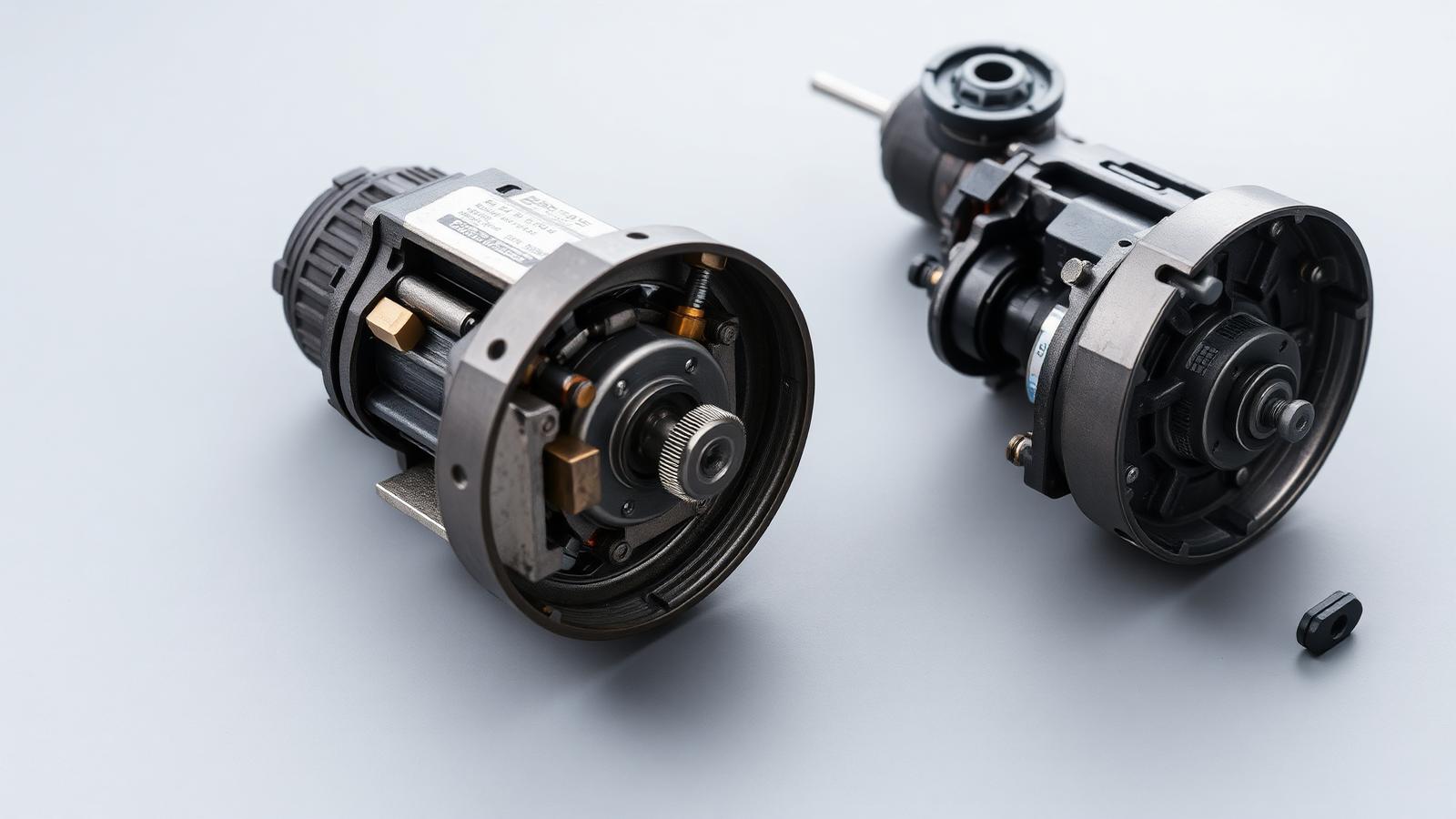
Every cordless power tool is built around an electric motor. For decades that motor was a fairly simple device: a rotating armature, a set of magnets and two small carbon blocks called brushes that carried current to the moving parts. Over the past ten years, brushless motors have gone from a professional feature to a standard option on tools aimed at home users. Understanding what the two designs actually do will help you decide whether the premium for brushless is worth paying.
How a brushed motor works
In a brushed motor, electrical current enters through two spring-loaded carbon brushes. Those brushes press against a rotating cylinder called the commutator, which switches the current between different coils inside the armature as it spins. This mechanical switching is what keeps the motor turning in one direction and produces torque at the shaft.
The design is beautifully simple and has powered tools reliably for the best part of a century. Its two limitations are physical wear and heat. The brushes rub against the commutator and slowly wear away; eventually they need to be replaced. That contact also generates friction, sparks and heat, all of which reduce efficiency and shorten the life of the motor.
How a brushless motor works
A brushless motor has no brushes and no commutator. Instead, an electronic controller inside the tool switches the current between the coils several thousand times a second, using sensors to track the exact position of the rotor. The mechanical switching of a brushed motor is replaced by pure electronics.
This has three important consequences. First, there is nothing rubbing inside the motor, so it runs cooler and lasts longer. Second, the controller can vary the power delivered from moment to moment, matching the load in front of the drill bit or saw blade. Third, less energy is wasted as heat, so more of the battery's stored energy reaches the workpiece.
The practical differences
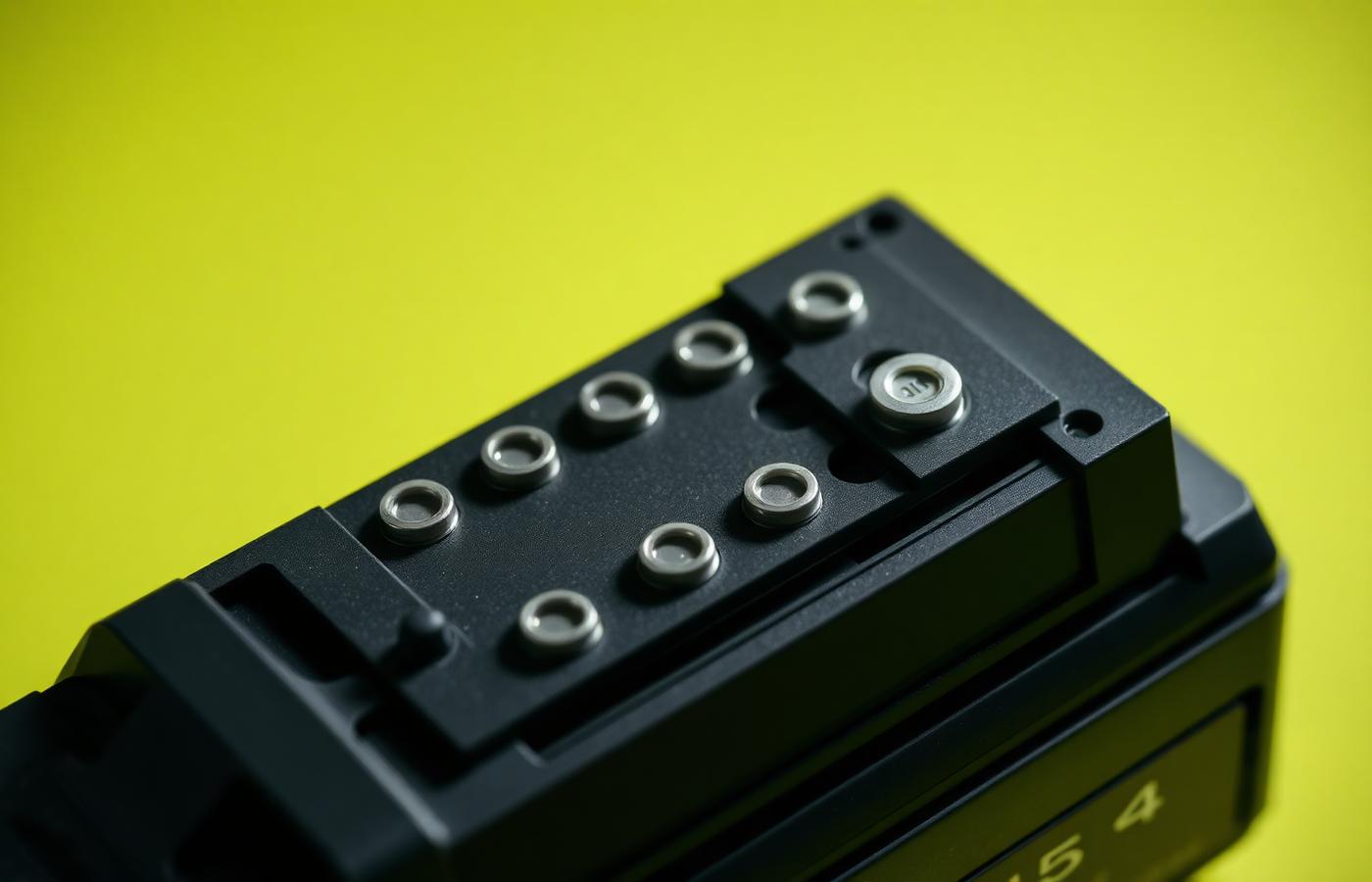
For someone using a drill or driver around the house, the four differences that show up in daily use are efficiency, weight, runtime and tool life.
Efficiency and runtime
Brushless motors typically extract 15–30% more work from the same battery. In a lightly loaded task such as driving small screws you may not notice, but when boring larger holes in timber the extra efficiency translates into visibly longer runtime between charges.
Weight and size
Because they run cooler and more efficiently, brushless motors can be built smaller for the same power output. Modern brushless drills are noticeably shorter from front to back, which makes overhead work and cabinet-interior tasks less tiring.
Longevity and maintenance
A brushed motor slowly wears down its brushes; a brushless motor has no equivalent wearing part. Assuming the tool is not damaged, a brushless motor will normally outlast the plastic housing around it, whereas a heavily used brushed tool may need brush replacement every few years.
Response under load
Because the controller can sense load, a brushless tool will typically maintain its speed as resistance increases, then slow smoothly rather than stalling suddenly. In practice this makes fine work — such as driving screws just flush without over-driving — easier to control.
Where brushed tools still make sense
Despite the technical advantages of brushless designs, brushed tools remain a sensible choice in two situations.
The first is budget. A brushed drill kit can cost significantly less than the brushless equivalent, and for someone who will use the tool a few times a year the additional lifetime and efficiency will never be recovered financially. The second is when the tool is being bought for occasional or short-duration tasks where runtime is not a limiting factor.
Is brushless worth the money?
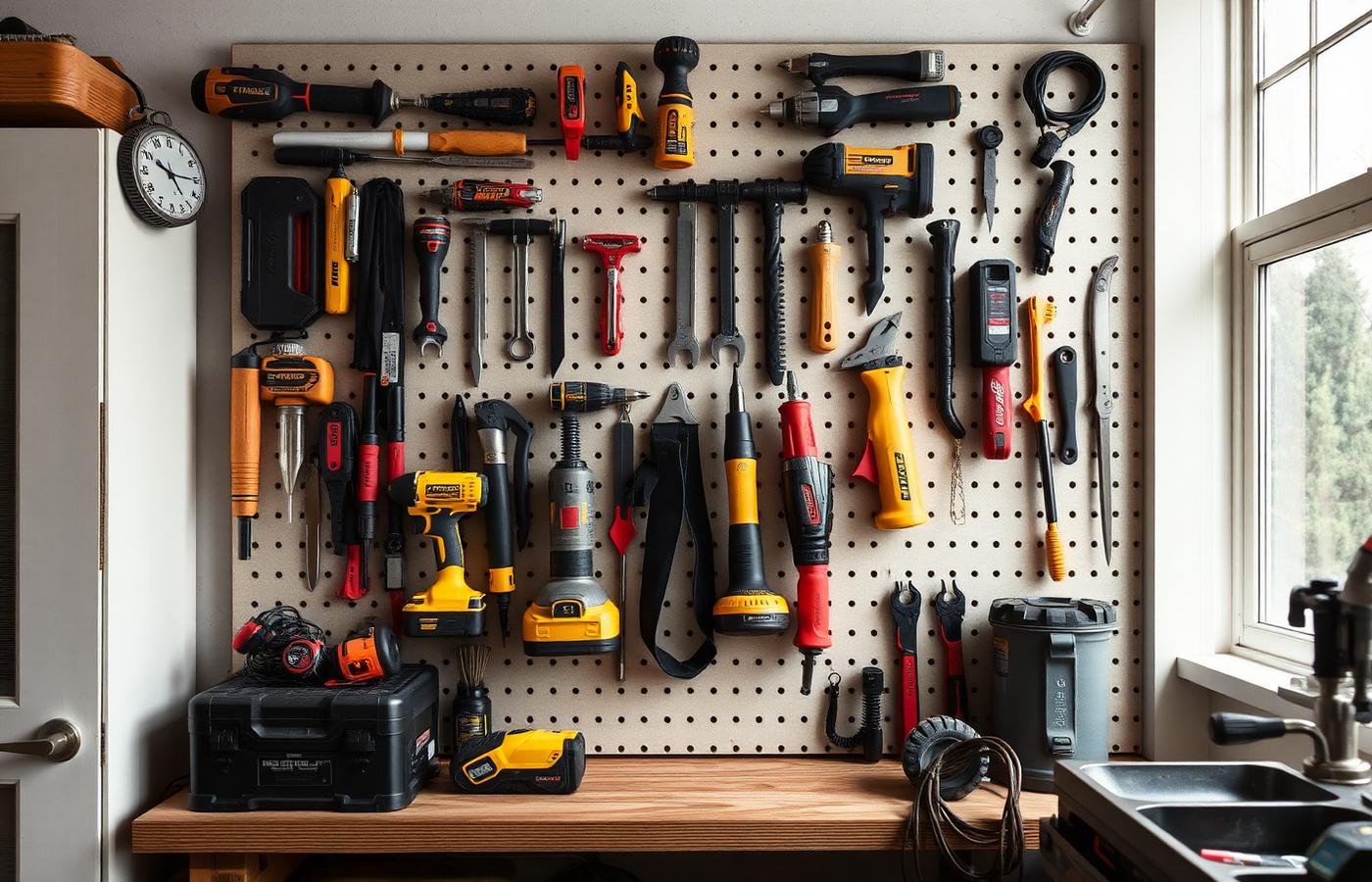
If the tool is going to be used regularly — several times a month for medium-sized projects — brushless is almost always worth the additional cost. The combination of longer runtime, lighter body and lack of wearing parts adds up over years of ownership.
If the tool is going to sit in a drawer between rare uses, a well-made brushed drill from a reputable brand will do everything a homeowner needs at a lower price. The important thing is to make the decision consciously, rather than paying extra for a feature you will not benefit from.
A note on marketing
Brushless motors have become a marketing headline, and some manufacturers imply that any brushless tool is automatically superior to any brushed one. This is not quite true. A poorly designed brushless tool with a weak battery will not outperform a well-designed brushed tool with a good one. Use the motor type as one factor among several — battery platform, ergonomics, warranty and honest reviews all matter too.
This article is for informational purposes only. It does not constitute professional advice. Always follow the instructions supplied with your tools and consult a qualified professional where appropriate.