How to Choose a Cordless Drill: A Complete Beginner's Guide
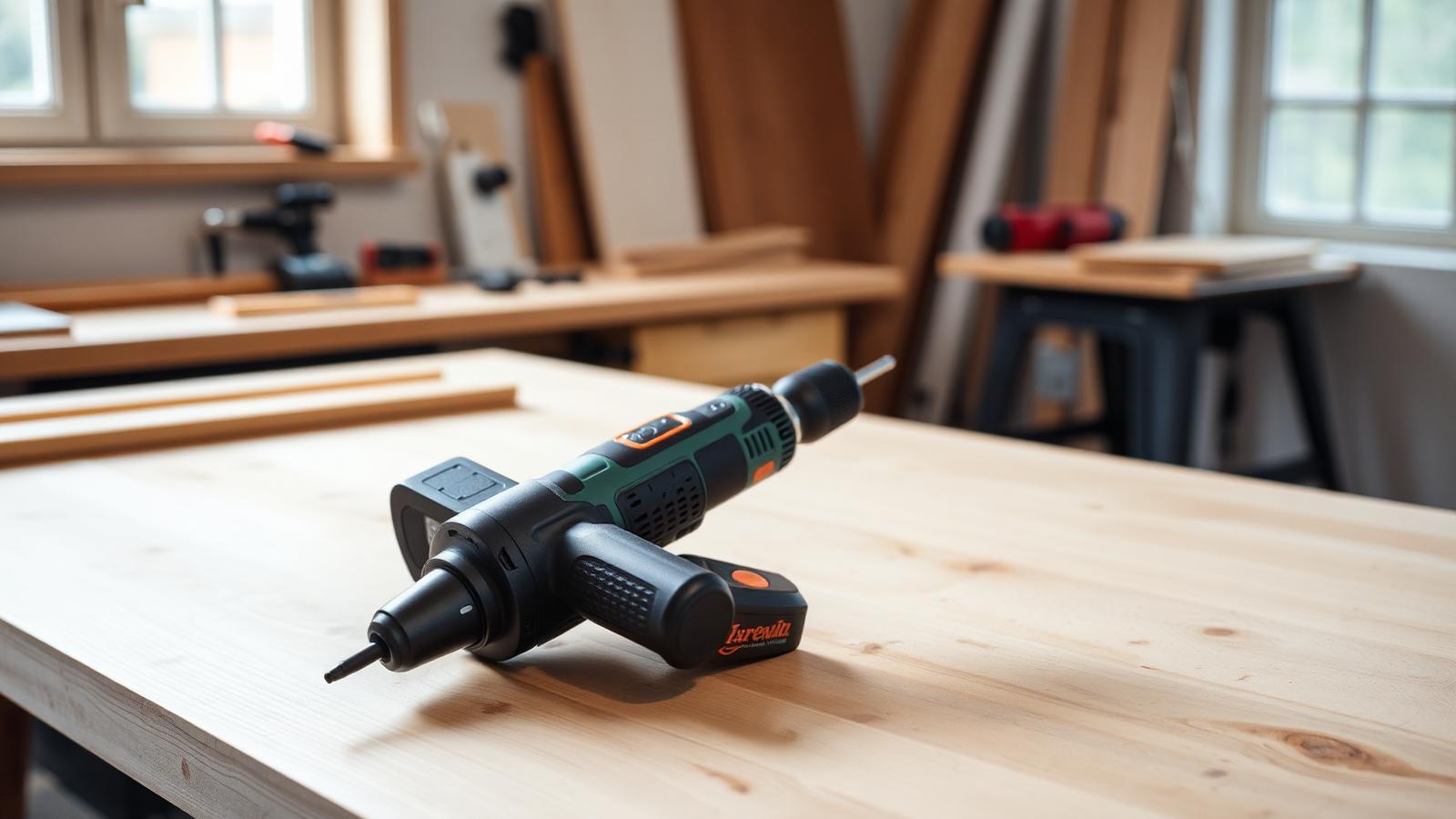
A cordless drill is often the first serious power tool people buy, and for good reason. It handles the jobs a household actually throws at it: assembling flat-pack furniture, hanging shelves, fitting curtain poles, mounting a television bracket and driving the occasional screw into a garden fence. Yet walking into a shop or scrolling through a website can be surprisingly confusing. The same tool appears in dozens of specifications, with numbers such as 12V, 18V, 40 Nm and 13 mm printed on the boxes with no explanation of what they mean in practice.
This guide is written for people who are buying their first cordless drill, or replacing a very old one, and want to understand what to look for. It focuses on the drills marketed at home users and light DIY, not the heavy trade tools designed to be used every day on a building site. We will look at the specifications one by one, explain what each does, and describe realistic examples of when a higher or lower value actually matters.
Start with what you are going to do
Before comparing tools, spend two minutes writing down the jobs you expect to tackle in the next year. If your list is dominated by furniture assembly, occasional shelves and hooks, and small repairs, you do not need a professional-grade drill. If you plan to install a fitted wardrobe, build a deck or fit heavy fixings into masonry, a more capable tool will save time and frustration.
Being honest about the workload is the single most useful thing you can do. Over-buying is common; people spend a great deal on a drill and end up with a tool that is heavier and more expensive to run than they needed. Under-buying is equally frustrating, because a small drill asked to do too much will overheat, stall and drain its battery quickly.
Voltage: the headline number
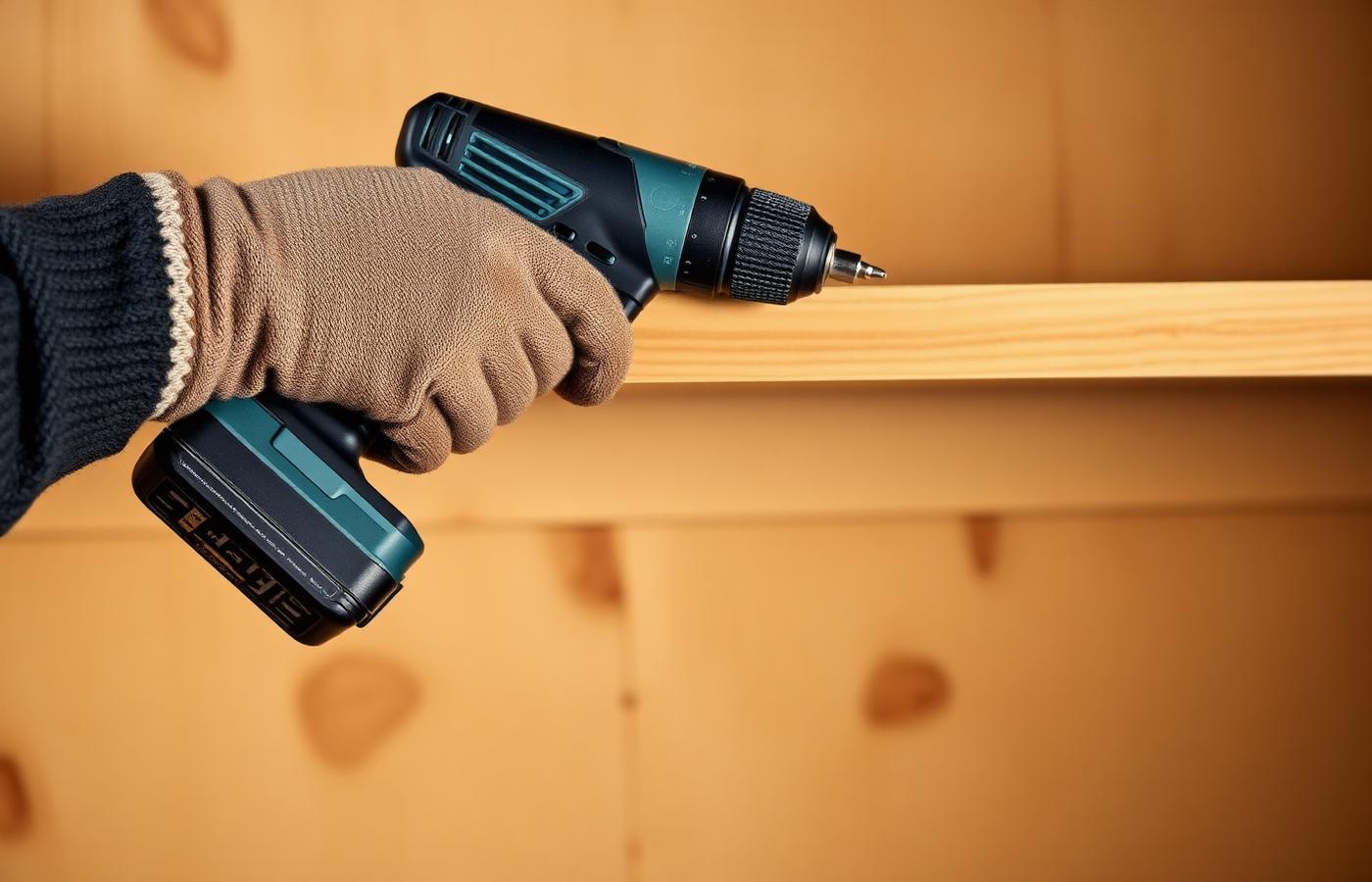
The voltage printed on a drill refers to the nominal voltage of its battery. Most modern cordless drills sit in three broad tiers: 10.8–12V for compact tools, 18V (sometimes labelled 20V max) for general-purpose use, and 36–54V for the heaviest tools. For a first drill used around the house, 12V or 18V will cover almost every job.
12V drills are light, easy to hold overhead and comfortable for delicate work. They will happily drive screws, drill wood and make small holes in metal. Their limits show when you ask for large-diameter holes in dense timber or fixings into masonry. 18V drills weigh more but comfortably tackle harder materials and longer sessions. If you can only own one drill and your budget allows, an 18V model is usually the more flexible choice.
Chuck size and type
The chuck is the part that holds the drill bit. Two things matter: the maximum bit diameter it accepts, and whether it is a keyless or keyed chuck. A 13 mm keyless chuck is now standard on most home drills and will cover almost anything an amateur builder needs. A 10 mm chuck is more restrictive and mostly appears on small 12V tools.
Keyless chucks are tightened by hand and are much quicker to use. Keyed chucks require a small key and grip more firmly, but they are rare on modern cordless tools and unnecessary for household work.

Torque, speed and clutches
Torque is the rotational force the drill applies. It is measured in newton-metres (Nm) and is the specification most often quoted alongside voltage. Higher torque helps when driving long screws into hardwood or when using large hole saws. For general home use, a drill offering 40–60 Nm of maximum torque is more than enough.
Almost every drill has two mechanical speed settings. The low range delivers higher torque at slower revolutions and is used for driving screws and boring large holes. The high range spins faster with less force and is used for small drill bits in wood, metal and plastic. Learning to switch between the two is one of the fastest ways to improve the results you get.
The clutch is the numbered collar behind the chuck. It disengages the drive when a set resistance is reached, protecting screw heads and workpieces from being over-driven. Beginners often ignore the clutch and end up burying screws or snapping their heads; using it takes a few seconds to set and saves hours of repair.
Battery platforms matter more than the drill
It is easy to focus on the drill itself, but the battery it uses will shape every purchase you make after it. Manufacturers group their tools into platforms sharing a common battery. Once you own two batteries and a charger, adding a jigsaw, an impact driver or a circular saw on the same platform is cheaper and simpler than starting again with a different brand.
Look for a platform with a broad range of tools, spare batteries that are reasonably priced, and a good record for replacement availability. This decision has more long-term impact than the specifications of the individual drill.
Practical features to look for
- A built-in LED light. Trivial-sounding but genuinely useful inside cabinets and lofts.
- A belt clip or bit holder. Keeps the tool secure when climbing a ladder.
- A brushless motor. More efficient, cooler running and longer-lived (see our article on brushed versus brushless motors).
- Two batteries in the kit. One charging, one working — the difference between an afternoon of steady progress and constant waiting.
What you can safely ignore
Marketing materials often highlight statistics that sound impressive but rarely change the everyday experience of using a drill. Maximum RPM figures beyond about 1,800 are of little practical use for home projects. Very high torque numbers matter mainly to trade users driving heavy structural fixings. Extremely large batteries add weight, cost and charging time that a light user will not benefit from.
A reasonable, balanced 18V drill with a 13 mm keyless chuck, a two-speed gearbox, a proper clutch and a brushless motor will serve most households for many years. That is the tool to shortlist, not the one with the largest numbers on the box.
This article is for informational purposes only. It does not constitute professional advice. Always follow the instructions supplied with your tools and consult a qualified professional where appropriate.